

A wise person once said that humility is not thinking less of ourselves but thinking of ourselves less often. That in itself makes humility a valued trait in the workplace. Humility allows us to accept our own imperfections as well as those of others. It also lets us make mistakes and learn from them instead of punishing ourselves or others for the process of growing.
Not a Weakness
Many people think of humility or being humble as some sort of weakness but the reality is far from that belief. We have plenty of arrogant, boastful and vain people around us. Those are the weaklings. The strongest people are those who don’t need to pull other people down so that they can rise up. Humility can distinguish a true leader from someone who just seeks power or authority.
No Ego in the way
Most people who have a high degree of humility are the best people to work for or with. Their ego does not have to be stroked all the time and they will often go more than halfway to meet the needs and demands of others. What’s not to like about that?
Strengths
It also possible to be prideful or one’s own abilities and attributes and still be humble. Famous athletes like Jesse Owens and Gordie Howe are prime examples of that. Their strengths allowed them to win Olympic gold medals and Stanley Cups but their humility is what makes us like them. And we suspect why they seemed so happy and carefree about their lives.
Without Arrogance
Humility may in fact be pride without arrogance, another worthwhile ideal to strive for, at work and in the rest of our lives. Too many managers and CEO’s have been brought down to earth because of their excessive pride and massive egos. Those less than positive attributes may have allowed them to walk over others on the way to the top, but it’s always a pleasure to meet them again on the way down.
And I love this quote by author Steve G. Makris to remind me and others why humility is such a great virtue: “Always remember when you are on top of the world, that the earth rotates every 24 hrs.”
This post first appeared on http://www.jobs.ca
Mike Martin is a freelance writer and author of The Walker on the Cape, a Sgt. Windflower mystery. http://www.walkeronthecape.com

There’s lots of great advice out there about what questions a prospective employee should ask at an interview. Like questions about possibilities for promotion which show that you are a go-getter and are looking to advance and succeed. Or even practical questions like when you might hear some results about the hiring process. But then there are another set of questions that you should never ask. I call them dumb and dumber.
Sick Days?
Dumb questions might be ones that talk about the candidates personal needs like how many vacation and sick days you are entitled to. Or if you can leave early to pick up your kids from daycare. They might be important questions to arrange your schedule but wait until you get the job already, before you start asking about the benefits or making special arrangements.
What does the company do?
Another dumb question might be to ask what type of business the company you are trying to get a job with is engaged in. Those are the things that you should have researched before you got into the interview room. Asking that sort of question not only makes you look unprepared. It makes you look dumb.
Drugs…?!
But there are even dumber questions than that. Ones that will probably ensure that you will never get the job you are interviewing for. Here are two of the best, or dumbest, courtesy of David MacFadden at the Alberni Valley Employment Centre in British Colombia. The first is “Do you require a drug test?” Duh? If I am sitting on the employer side of the table I do not know whether I should cancel the interview or call the police.
Do you check?
The second is “Do you check references?” Does that mean you have given us faulty references and are hoping we don’t check? Or that you can’t get a good reference. Either way it doesn’t look good to an employer and it makes you look dumb. Not getting that job either.
Warnings
And finally one more of the dumbest questions I’ve heard lately is “How many warnings do I get before I get fired?” The answer? None. Because we would never hire you!!
There are many more dumb and dumber questions that you should never ask because they make your chances of success remote at best. Instead you should focus on looking good, being prepared and showing up on time. Then you might actually get that job you’re looking for.
This post first appeared on my blog at www.jobs.ca
Mike Martin is a freelance writer and consultant and the author of The Walker on the Cape, a Sgt. Windflower mystery.
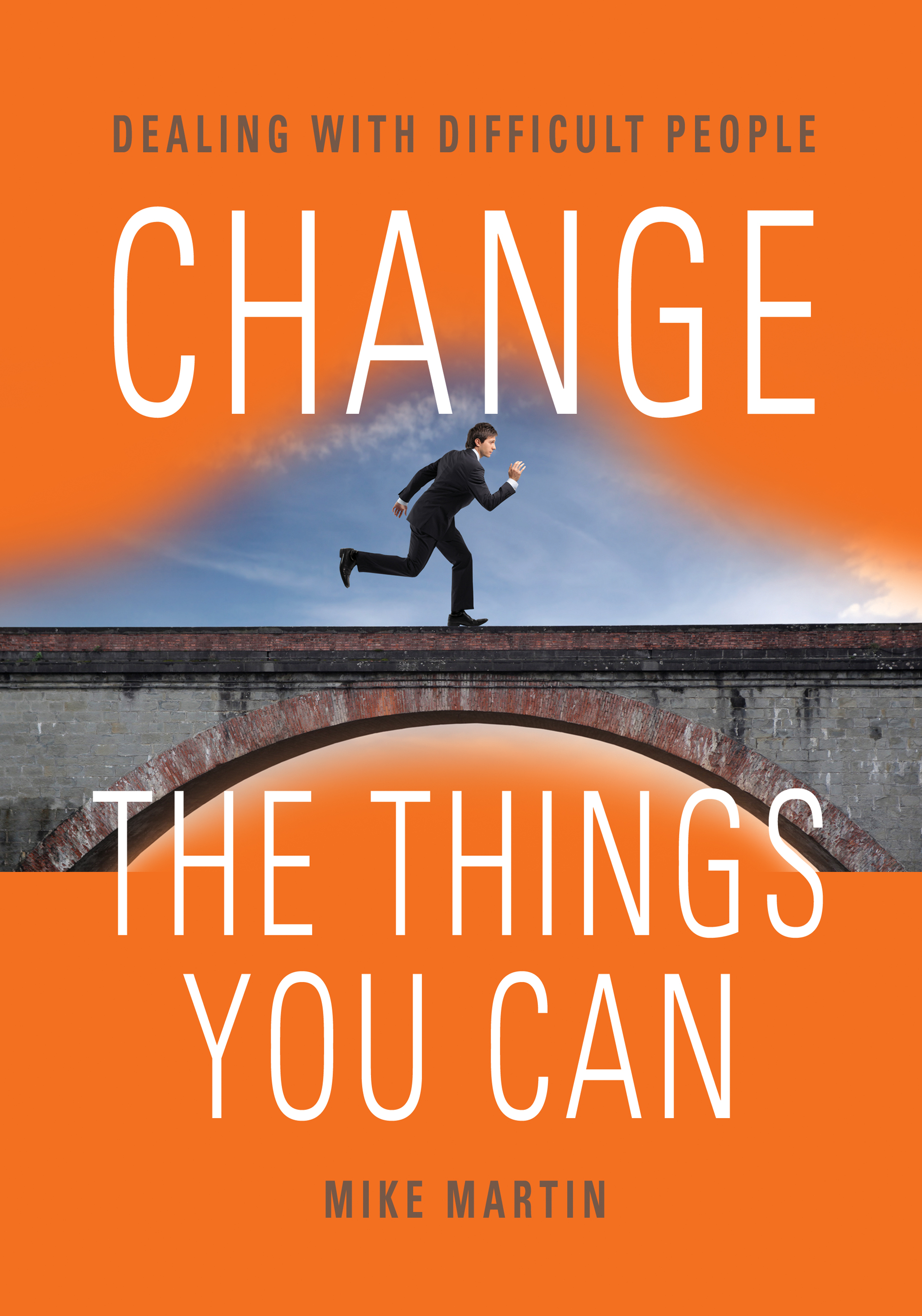
Almost all men and lots of women don’t ask questions and yet assume that they know the answer. Duh!! Even if you’re afraid try asking questions directly of your difficult person. What’s the worst that can happen, they’re already intolerable?
Why don’t we ask questions when we don’t know something? That’s the real question. Some people like to pretend they are smarter than they really are and others somehow see it as a failure of some sort on their behalf. Asking questions is not an admission of failure. It is a statement of your intention to understand or be understood.
There is an old Chinese proverb that says “He who asks a question is a fool for five minutes; he who does not ask questions is a fool forever”. Which would you prefer? In addition to not being considered a fool most of us would prefer to be successful. Sometimes to be successful we have to ask for help.
Some people don’t ask questions of the difficult people in their life because they don’t want to hear the answer. Because knowing the truth about a situation may move them out of their comfort zone and might force them to take an action that they don’t know if they can handle. But if you want to know what’s really going on inside the head of the difficult person, why not just ask?
In the immortal words of one of my heroes, Kermit the Frog “Asking questions is a very good way to find out about something.” Try it you might like it.
Steps to asking good questions: As Kermit said the easiest way to learn about someone and their ideas is to ask them. But your difficult people are sometimes reluctant to talk about themselves.
To get them going here are a few basic steps to asking questions:
Create a safe environment
This may include the time and location of your little chat. Find a quiet place with no one else around and begin by noting that you have noticed some difficulties. Ask them for their version of events in a non-threatening and friendly manner. If they grow cold or hostile, back away until another time. If they are open then keep going. Be willing to share information about yourself to create a two way communication link. If necessary ask if it’s okay for you to ask a few questions. Try not to put them on the defensive with “why” questions right off the bat. They will tell you “why” if they feel comfortable enough.
Give them time to answer
One guideline is to give them up to ten seconds to answer a question before asking anything else. Remember that this is a test as to whether you can be trusted, not them. A short pause as they think about an answer is a good thing. At least you’ve got them thinking.
Listen carefully to their answers
Restate their answer in your own words to be sure you understand the reply. Avoid selective listening. That’s where you are filtering out or misunderstanding what is said. Some experts claim that we automatically eliminate from 70 to 90 percent of what is said to us. Paying attention is not only polite; it’s the best way to get what you need from your conversation partner. Participate mentally and physically in the dialogue using facial gestures, and body language and the occasional grunt or uh-huh to let them know that you’re still there. Smile. It just might be your best weapon for getting them to talk.
Build on what they say and ask follow up questions
If you are really paying attention you will notice that your difficult person is telling you a story, or at least their version of events. Think of yourself as a facilitator in a story telling contest and you want to know what comes next. So you ask them, and then what happened? If the story goes really well you might even ask them how they feel/felt about the story. But if they’re not ready for that yet, that’s okay. You’ve opened the door and it will never completely shut again.
Thank them for their time
When the conversation is over you should thank them for their time. It is not only good manners; it’s a signal to them that you respect them. It’s also a good way to end whatever type of conversation you’ve just had, on equal terms. No matter how grumpy, crusty, or pig-headed they are you will know a little more about what makes them tick, and what makes them explode. They will also know a little more about you and maybe realize that you are not their problem after all.
Excerpted from “Change the Things You Can: Dealing with Difficult People” by Mike Martin
www.changethethingsyoucan.wordpress.com
Mike Martin is also the author of The Walker on the Cape, a Sgt. Windflower mystery.

Kindness is an innate quality of most human beings. When we see it being directed towards others it makes us feel better, when it is directed toward us we feel great. Yet sometimes we feel kindly towards someone around us, especially at work, and we feel uncomfortable about showing it. Why not let your kindness genie out of the bottle and just let your kindness show. One of the best ways to do this is by practicing random acts of kindness.
Kindness doesn’t cost us anything, in fact it’s much easier to be kind than to be mean. It’s like smiling versus frowning. It takes 43 muscles to frown and only 17 to smile. It’s the same way with kindness. Not only that, we will feel much better about being kind and won’t have any negative reactions that often come with acting in an inconsiderate way. The other good thing about kindness is that is that the small kind acts that we perform will often prompt others to act in the same way. They may not show it directly to us, but when they get home they may feel a little better about themselves and show kindness to their partner or family members.
One the secret to practicing random acts of kindness is not expect any reward. That way we are not dependent on the other person’s reaction and we can enjoy the simple act of being good and kind. It really is giving without any expectation that we will receive any thing in return. Another key is to whenever possible keep the act of kindness anonymous. What about if you showed up at work one day and there was a batch of freshly baked cookies sitting on your desk? You might like to know who gave them to you, but you would still heartily enjoy them even if you never found out. Hopefully you would share some of your bounty with your co-workers and spread the joy throughout your office as well.
You can and should practice random acts of kindness on your family, friends, and co-workers. But sometimes it’s nice to show your kindness to the world by offering unasked for kindness to people you don’t even know. One Good Samaritan would carry a roll of quarters with him when he walked through downtown and whenever he saw an expired parking meter he would drop a few coins in. The people who benefited from this kindness may never know who helped them avoid a parking ticket but the person who carried out the act went around all day with a smile on his face just thinking about the impact of his random acts of kindness.
At work it’s easy to start practicing random acts of kindness. We all know someone who is having a difficult time at home. Maybe they have a very ill family member or maybe they are just down and depressed. A fresh bouquet of flowers from your garden left on their desk may just brighten their day and lessen their load. Offering to fill in for someone who is anxious about a sick child at home is a more direct act of kindness as too is just offering encouragement and support to a co-worker who is struggling with a difficult task or project.
It doesn’t take much to start practicing random acts of kindness, just a good spirit and a desire to be helpful to another person. Don’t be surprised if other people in the office start doing the same once you get the ball rolling. In addition to being very good for your mind and spirit, kindness is also contagious. Once you start you just can’t stop.
This post first appeared on my blog at www.job.ca
Mike Martin is a freelance writer and consultant and author of The Walker on the Cape, a Sgt. Windflower mystery.


A Pain in the Neck
By Mike Martin
You already know this. Not only do you know it but your body tells you this regularly. You spend too much time at the computer. You may not be able to stop using a computer but you can limit some of the damage. If you have chronic or on-going pain you should see your health care professional. And if you have serious problems with your hands, arms or wrists you should get checked out for a repetitive strain injury or carpel tunnel syndrome.
But if you are like me, and millions more like me, you probably just have an occasional ache that goes away if you just pull away from the keyboard for a while. Except for that neck pain that just won’t leave me alone. I can pop two of my favourite red pills but I don’t really want that habit as well. So what can I, or you do about this neck pain? Well according to Ergonomic Times, a lot actually.
Here are some of their tips for dealing with neck pain at work.
1. Get spinal checkups regularly and if necessary get your chiropractor to do spinal adjustments on you.
2. Be conscious of your posture which includes your neck. Poor posture, if not dealt with can give rise to neck pain as well.
3. Manage stress that is carried on the upper back, the shoulders, and the neck. Get expert advice about techniques to specifically reduce this stress.
4. Do not put pressure on your neck. Do not use your neck and shoulders to hold the telephone while you talk. In the office, always sit properly and keep your neck straight by working at eye level.
5. Stretch. It is always best to do stretching if possible. In the office or at home, you can take short breaks just to reduce the tension. Some massage won’t hurt either. It can decrease the tension not only on your shoulders but also on your neck.
6. Exercise regularly, at least three sessions a week for about forty minutes. Moderate exercise can strengthen your body and help reduce the likelihood of severe injuries.
7. Eat well and sleep right. It can speed your recovery from injury and it also makes you feel good. If your neck hurts in the morning after sleeping you made need some help. Ask your doctor or chiropractor for suggestions.
This post first appeared on my blog at www.jobs.ca
Mike Martin is a writer and consultant and the author of The Walker on the Cape, a Sgt. Windflower mystery.


It’s always interesting to see what those big HR companies who survey people are asking and to me at least what Canadians in particular respond. One that caught my eye recently was from worldwide staffing giant Randstad whose Workplace Monitor interviewed workers in 32 countries earlier this year about employee commitment and personal relationships in the workplace.
First of all on the job security question Canadians are not as worried about it as the Greeks or Spaniards but they are concerned enough that about 40 percent would give back some of their salary if their enterprise faced closure. And in these trying economic times it is not a big surprise that most Canadians would trade a good salary for job security. Canadians in almost every sector of the economy have felt the brunt of the economic turndown and the “job less” recovery. Things may get back to normal but when they do there will be a lot fewer people carrying out the tasks.
But what is a surprise, at least to me, is that 82 percent of Canadians would give up some of their money to have job security and time to enjoy their lives. They agreed with the statement that ‘they worked to live rather than lived to work’ and if they were not happy at work they would quit. In fact 3 out of 10 Canadians surveyed said that they would quit if there was no room for their personal development.
Other interesting tidbits from this survey were that over half of the people from this country said that they would rather have pleasant work colleagues than more money and most meet up with some work contacts after work. Two thirds also claim that they have made friends at work. There is even an acceptance that romantic arrangements happen at work and only 20 percent of Canadians feel that is a cause for major concerns.
But like most surveys of this type there is not a whole lot new. Salary and benefits are important but they have never been the main reason why people join a company or organization and they are certainly not the biggest reason why people leave. People still want to be valued and appreciated at work and to grow to their full potential. They also like doing this with people who are pleasant and easy to get along with.
And if two people at work happen to become more than friends, then why not? Maybe that’s just another aspect of job satisfaction that needs a little more personal research.
This post first appeared on www.jobs.ca
Mike Martin is a writer and consultant and author of The Walker on the Cape, A Sgt. Windflower mystery.

